Washington Website Design Solutions for Local and Regional Companies
Elevate Your Brand Using Impressive Website Design Offerings
In today's digital environment, a brand's online visibility is crucial. Stunning website design serves as an important tool for grabbing attention and encouraging user engagement. It mirrors a brand's identity while building trust among visitors. However, many brands neglect key design elements that can significantly impact their success. Understanding these components can be the key in changing a brand’s image and effectiveness online. What should brands take into account in their design strategy?
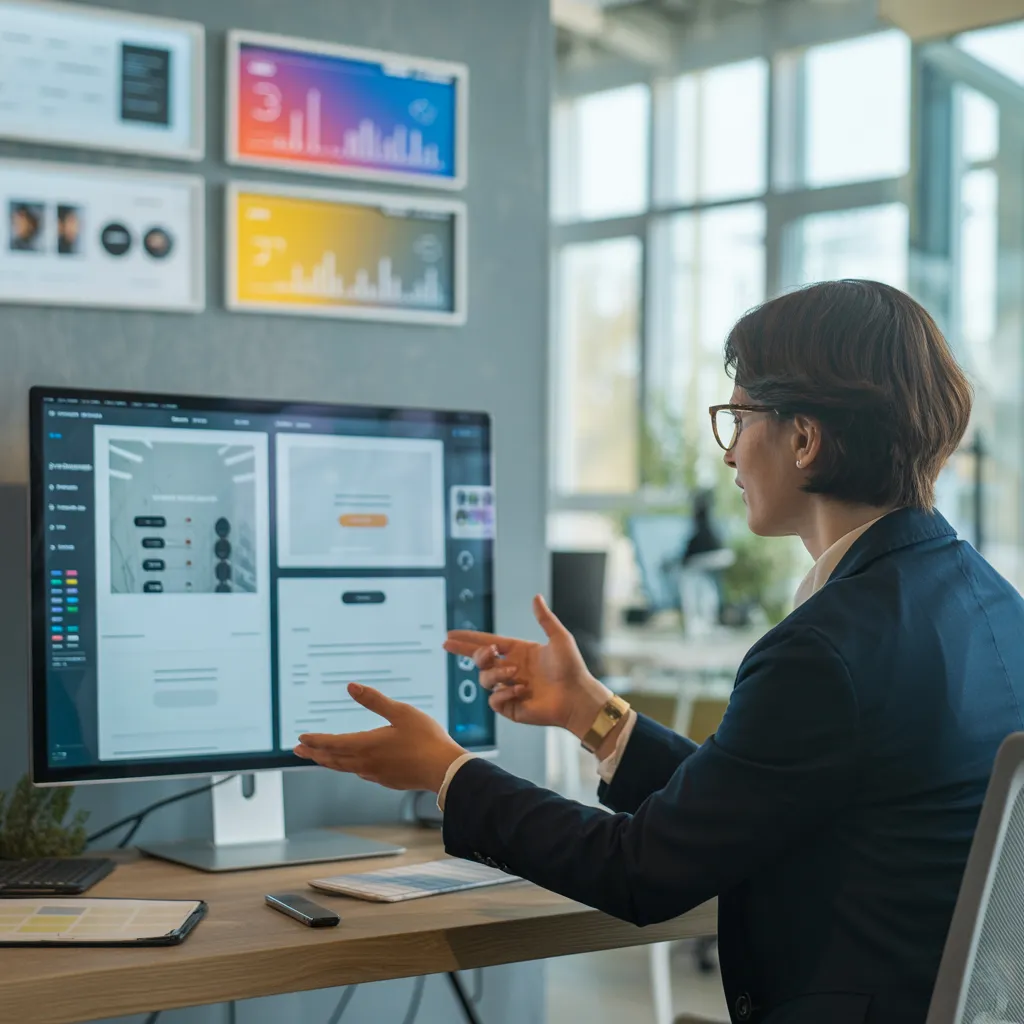
Why Beautiful Web Design Is Important for Your Brand
A stunning website design serves as an key touchpoint for any brand, affecting first impressions and user engagement. In today’s internet environment, a professionally built website is like a virtual storefront, showcasing a brand’s identity and values. Users often decide quickly within seconds, choosing whether to stay or leave based on design and usability. A unified design establishes trust, demonstrating professionalism and reliability, whereas a cluttered or outdated site can discourage potential customers and diminish a brand’s reputation.
Furthermore, strategic design appeals emotionally, advancing visitor engagement through straightforward menus and design elegance. This engagement prompts visitors to investigate further and connect with the content, producing stronger results. Ultimately, a remarkable website composition not only generates traffic but also fosters a committed customer base, solidifying a influential online presence that separates in a demanding marketplace.
Vital Dimensions of Impactful Website Crafting Services
Quality website design services are founded on two critical elements: user experience optimization and visual aesthetic appeal. Prioritizing user experience guarantees that visitors navigate seamlessly, while a strong visual aesthetic grabs attention and reinforces brand identity. Together, these elements create a compelling and functional website that caters to user needs.
Visitor Experience Optimization
Enhancing user experience is essential for any website design service aiming to capture audience interest and drive conversions. A well-structured website allows easy navigation, so users can promptly find information. Clear page designs and prominent calls to action can boost significantly engagement. In addition, making sure websites function well on mobile devices is vital, as a growing number of users access sites via smartphones. Fast loading times also help improve the experience; slower performance may result in higher bounce rates. Accessibility should not be overlooked; sites must be designed to accommodate all users, including those with disabilities. Obtaining user feedback and carrying out usability testing can provide valuable insights, supporting ongoing upgrades and ensuring the site meets the expectations and requirements of its users.
Striking Visual Aesthetics
User experience and visual appeal constitute intertwined aspects of website design that deeply influence visitor engagement. The aesthetic elements of a website, including color schemes, typography, and imagery, make an immediate impression that can grab users. A harmonious design fosters brand identity and builds trust, inviting visitors to explore further. Effective use of whitespace enhances readability and creates a balanced layout, while high-quality visuals can effectively communicate messages and evoke emotions. Furthermore, responsive design guarantees that aesthetic appeal is maintained across devices, improving overall user satisfaction. Ultimately, a visually appealing website not only captures attention but also supports the functionality and usability, producing improved conversion rates and sustained visitor interest.
Finding the Perfect Visual Theme that Appeals with Your Audience Members
How can a website's design style resonate with its target audience? Choosing the correct design style is crucial for properly connecting with users. A brand must first evaluate its audience composition, interests, and conduct. For instance, a youthful audience may perform better to vibrant colors and dynamic layouts, while a more mature demographic might like a minimalist and sophisticated approach.
Additionally, the sector of the industry plays a vital role in guiding design preferences. A tech startup might benefit from a modern aesthetic featuring advanced elements, while a law firm might choose a classic, authoritative appearance. Coherence in design elements like typography and imagery reinforces brand identity and builds trust. Ultimately, the correct design style not only captures attention but also reflects the values and expectations of the audience, facilitating a strong connection. With thoughtful design choices, brands can build an impactful online presence that connects with their target market.
The Role of User Experience to Website Success
User experience serves as an essential component in determining a website's success by guaranteeing user-friendly navigation and a mobile-optimized experience. Strategic design allows users to swiftly access content and connect with content, irrespective of the device they are using. Highlighting these components can markedly elevate user retention and satisfaction.
Straightforward Navigation System
While effective website design includes various elements, intuitive navigation emerges as a essential factor influencing user experience and overall site performance. A properly organized menu structure allows users to find information quickly, reducing frustration and enhancing satisfaction. Descriptive text, organized structure, and regular positioning of menu items create a smooth browsing experience. Users are better able to engage with content and revisit a site that provides easy navigation. Furthermore, intuitive navigation fosters trust, as visitors feel confident in their ability to navigate the site without confusion. Ultimately, a focus on menu design not only improves usability but also bolsters conversion rates, making it an vital component of any thriving website strategy.
Adaptive Mobile Experience
A successful website design must also emphasize a mobile-responsive interface, as a substantial share of web traffic now comes from mobile devices. Users demand seamless interactions, regardless of their see more device. A adaptive layout adapts layouts, images, and functionalities to ensure optimal display on smartphones and tablets. This flexibility enhances user satisfaction, decreasing bounce rates and promoting longer engagement. Furthermore, search engines prefer mobile-friendly websites, boosting visibility and drawing in more visitors. Companies that commit to mobile responsiveness demonstrate an understanding of their audience's needs, ultimately supporting brand credibility. As mobile usage continues to rise, integrating a mobile-responsive interface is not merely an option; it is essential for maintaining competitive advantage and achieving overall website success.
Top 5 Website Design Pitfalls and How to Remedy Them
Many web designers come across typical pitfalls that can hurt the overall user experience and performance of a site. A frequent mistake is ignoring mobile optimization, causing a poor experience for users on smaller screens. To correct this, designers should implement a responsive design approach. Another mistake is cluttered layouts, which can overwhelm visitors. Simplifying the design and focusing on key elements can increase clarity. Furthermore, inconsistent branding can confuse users; maintaining a harmonious visual identity throughout the site is crucial. Slow loading times are another frequent problem; optimizing images and using browser caching can ease this. Finally, the absence of clear calls to action can limit user engagement. Designers should ensure that CTAs are visible and persuasive. By addressing these errors, designers can significantly improve website effectiveness and user satisfaction.
How Layout Impacts Your Conversions
Impactful design can greatly influence conversion rates on a website. A thoughtfully laid out structure guides users fluidly through content, curtailing confusion and confirming they promptly uncover what they require. Visual hierarchy proves an important factor; strategic use of colors and fonts can draw attention to calls-to-action (CTAs), strengthening user engagement. Also, responsive design guarantees that websites preserve functionality across devices, expanding reach to a broader audience.
In addition, aesthetic quality cultivates trust and authority; leads are more inclined to convert when they interpret a site as refined and professional. The fusion of striking visuals and tight, compelling copy materially improves the visitor experience, supporting superior retention rates.
Ultimately, committing to well-considered design not only improves user interaction but also elevates conversion rates, directly affecting a brand's bottom line. A website that communicates its value proposition through design clearly will likely see increased customer actions and loyalty.

Frequently Posed Queries
How lengthy is the Website Design Process generally?
The website design process generally requires between four to twelve weeks, based on the project's intricacy, client feedback, and required functionalities. Schedules may vary based on collaboration and revisions during the creation phases.
What Does Website Creation Solutions Price on Average?
The standard cost of website design services commonly ranges from $2,000 to $10,000, influenced by complexity, functionality, and designer expertise. Custom solutions may elevate expenses, while templates can deliver more cost-effective alternatives for businesses.
Can I Modify My Website After It's Designed?
Yes, web pages can be updated after design is complete. Many services offer easy-to-use interfaces for easy changes, while professional support may supply continuous assistance, guaranteeing the site remains current with changing business requirements.
Will You Handle Website Maintenance Following Release?
Yes, they offer website upkeep after launch. This offering ensures that the website remains functional, up-to-date, and secure, allowing clients to focus on their business while experts manage ongoing technical needs efficiently.
What services Can You Leverage for Website Design?
The organization makes use of different platforms for website design, including WordPress, Shopify, and Wix. Each platform is determined based on client needs, providing versatility, expandability, and superior user satisfaction matched to specific business objectives.