Affordable Web Design Services for Ecommerce Stores
The Complete Guide to User-Focused Web Design: Maximize Traffic Engagement and Conversions
User-focused web design is essential in the contemporary online world. It focuses on understanding user needs and preferences. This methodology shapes every element of a website, from navigation to content. By prioritizing mobile optimization and employing analytics, designers can enhance user experiences. The significance of these techniques goes well beyond simple accessibility. They can profoundly affect audience interaction and sales performance. What strategies are most effective in achieving these outcomes? Investigating this matter brings critical discoveries to the forefront.
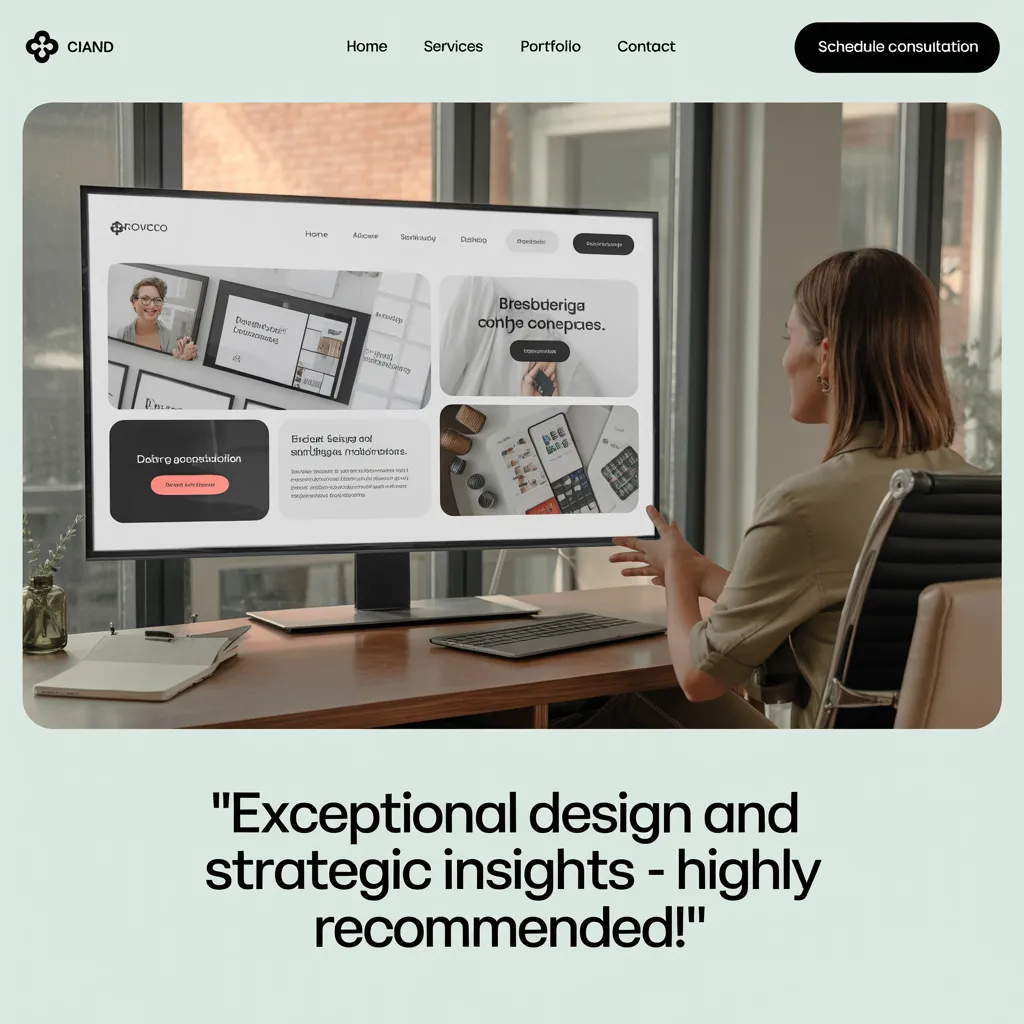
Identifying User Needs for Effective Web Design
In what ways can designers genuinely grasp the needs of their users? Creating effective web designs requires them to participate in detailed research and analysis. This requires utilizing a range of techniques including user interviews, surveys, and usability testing. By gathering qualitative and quantitative data, designers can identify pain points, preferences, and behaviors of their target audience.
Examining user profiles aids in visualizing distinct user groups and their unique demands. Moreover, studying competitors can offer valuable information about market expectations and requirements. UX professionals should additionally observe user interactions with existing platforms to identify aspects requiring refinement.
Incorporating user feedback across the design process is vital for improving outcomes. By focusing on user requirements, design professionals can create websites that not only draw in visitors but also promote engagement and fulfillment. In the end, a deep knowledge of user needs sets the stage for impactful, user-driven web design.
How User Needs Shape Intuitive Navigation and Layout
User needs considerably influence the creation of intuitive navigation and layout within web design. Recognizing these needs confirms that users can readily access information, facilitating a seamless browsing experience. Effective navigation is structured around users' mental models, which dictate how they expect to interact with a website. This harmony not only improves usability but also minimizes frustration, consequently resulting in greater engagement rates.
Designs must emphasize clarity and accessibility, adopting recognizable design frameworks that resonate with users. Features including menus, clickable buttons, and conversion triggers should be strategically placed based on user behavior and preferences. By conducting user research and usability testing, designers can identify pain points and preferences, empowering them to build structures that address individual user experiences. In the end, a people-focused strategy toward navigation and structure cultivates a more seamless experience, that proves critical for keeping users engaged and boosting conversion rates.
Creating Engaging Content That Meets User Expectations
Creating compelling content demands a comprehensive understanding of audience expectations and preferences. To successfully capture the reader's attention, writers must analyze user habits, interests, and challenges. This understanding enables them to tailor messages that appeal to the intended audience, enhancing relevance and appeal.
Employing clear, concise language and powerful visual elements can considerably increase user involvement. Moreover, employing storytelling techniques serves to establish meaningful bonds, ensuring the message stays with the audience. It is critical to maintain a steady voice that aligns with the brand identity while addressing audience requirements.
Furthermore, adding interactive elements, like polls or quizzes, drives user engagement. Consistently refreshing content confirms it continues to be fresh and relevant, fulfilling the evolving expectations of readers. Through prioritizing relevance and quality, organizations can foster strong loyalty, resulting in greater user engagement and conversion rates.
User-Focused Mobile Optimization for Accessibility and Usability
What elements play a role in effective mobile optimization that prioritizes user accessibility and functionality? To begin, responsive design ensures websites adapt seamlessly to different screen dimensions, improving the overall user experience. Moreover, seamless navigation is essential; simple menus and easily clickable buttons support smooth user interactions. Ensuring rapid load times is crucial, as mobile visitors anticipate swift access to data.
Furthermore, incorporating accessible features, such as text-to-speech capabilities and customizable font sizes, serves individuals with disabilities, increasing accessibility for all users. Using high-contrast color schemes and legible typography enhances readability, particularly in outdoor environments.
Incorporating intuitive design features minimizes frustration, permitting users to connect naturally with content. Ultimately, performing testing across different devices and platforms ensures a seamless experience. By focusing on these factors, organizations can build mobile experiences that not only address user expectations but also boost overall engagement and conversion rates.
Instruments to Evaluate User Engagement and Conversion Success
Successful mobile optimization creates a foundation for evaluating user engagement and conversion outcomes. A range of tools allow web designers and marketers to examine user behavior and monitor key metrics. Google Analytics stands as an industry standard, delivering information on user demographics, session duration, and bounce rates, aiding in the discovery of opportunities for enhancement. Heatmap platforms including Hotjar and Crazy Egg offer graphical depictions of user interactions, giving designers visibility into where users click, scroll, and abandon the page.
A/B testing platforms, including Optimizely and VWO, support experimentation across multiple design variations to identify which variations produce improved conversion outcomes. Furthermore, customer feedback solutions like SurveyMonkey and Typeform obtain qualitative information directly from customers, providing meaningful perspectives on their interactions. By employing these solutions, businesses can develop a more customer-oriented interface that not only increases engagement but also elevates conversion rates, resulting in enhanced business performance.
Popular Questions We Receive
How Do I Effectively Obtain Feedback from Users?
To collect user feedback efficiently, one should leverage usability testing, surveys, and interviews. Analyzing data through analytics tools and promoting open communication cultivates a deeper understanding of user preferences and needs, ultimately advancing product development.
What Are Typical Pitfalls in User-Centric Design?
Typical pitfalls in user-focused design include disregarding user research, creating overly complicated navigation, failing to address accessibility, failing to optimize for mobile, and failing to iterate based on feedback. These errors can damage user experience and lead to reduced engagement.
How Frequently Should I Refresh My Website Design?
A site design should be redesigned every 1-3 years, based on technological advancements, industry trends, and user feedback. Frequent updates ensure ongoing relevance, enhance overall user experience, and preserve engagement with the target audience.
What Role Does Color Psychology Play in Design?
Color psychology greatly influences design by begin here evoking emotions and shaping perceptions. Creative experts leverage color to enhance user experience, guide behavior, and establish brand identity, consequently influencing interaction and conversion metrics across various digital platforms.
How Do I Achieve a Balance Between Aesthetics and Functionality
Striking a balance between aesthetics and functionality necessitates a thorough understanding of user experience. Design professionals must emphasize intuitive navigation and accessibility while weaving in visually compelling elements, making certain that visual appeal strengthens usability as opposed to diminishing the overall effectiveness of the design.